The Secret Ingredient for Culinary Excellence: Why DIY Homemade Coconut Milk is a Game Changer
In the bustling world of modern kitchens, convenience often takes precedence. Yet, there are certain culinary endeavors where the extra effort truly pays dividends, elevating a dish from good to utterly unforgettable. Crafting your own diy homemade coconut milk is one such endeavor. For those who find joy not just in the act of cooking but in the exquisite pleasure of eating truly superior food, embarking on this simple journey promises a revelation. While pre-packaged solutions abound, the inconsistencies and sometimes lackluster quality of store-bought coconut milk can be a chef's undoing. But once you experience the creamy richness, delicate sweetness, and unparalleled freshness of homemade, you’ll understand why this particular DIY project is undeniably worth every minute.Beyond Convenience: The Problem with Store-Bought Options
Walk down any grocery aisle, and you'll find an array of canned or cartoned coconut milk options. They promise convenience, but often deliver an inconsistent and frustrating experience. Unlike dairy milk, which typically specifies its fat content, coconut milk can be a wild card, with fat percentages ranging anywhere from a lean 5% to a rich 20%. This vast variability creates a significant challenge for any home cook or recipe developer aiming for consistent results. Imagine meticulously following a recipe for a rich Thai curry or a creamy Colombian braise, only to find your masterpiece turn out watery, oily, or even curdled. This isn't necessarily a fault in your cooking technique; more often than not, the culprit is the unpredictable nature of your canned coconut milk. Many commercial brands achieve their consistency by rehydrating dried coconut and then adding stabilizers and emulsifiers. This process, while efficient for mass production, often results in a product that lacks the vibrant freshness and balanced texture essential for truly exceptional dishes. The metallic aftertaste sometimes present in canned versions can also subtly, yet significantly, detract from the overall flavor profile of your food.A Taste Revelation: The Unforgettable Flavor of Fresh
If you’re wondering if making your own coconut milk is *really* worth it, prepare to have your culinary world rocked. The moment you taste freshly made coconut milk, any skepticism will vanish. It's an experience that transcends mere ingredient preparation; it's a sensory delight. Homemade coconut milk boasts a profile that is incredibly rich without being overly fatty, leaving no unpleasant film on your tongue. It offers a subtle, natural sweetness that isn't cloying, perfectly complementing both savory and sweet dishes. What truly sets it apart is its undeniable freshness, characterized by a warm, nutty aroma and a clean finish that lingers beautifully on the palate. This isn't just an ingredient; it's a foundation that brings a nuanced depth and authenticity to your cooking that store-bought versions simply cannot replicate. It’s the difference between a generic background note and a vibrant, star-quality flavor that truly shines.Ultimate Control for Culinary Perfection
One of the most compelling reasons to embrace diy homemade coconut milk is the unparalleled control it affords you over your dish's final outcome. When developing complex recipes, especially those where coconut milk plays a starring role – like a velvety Thai-style coconut and chicken soup or a hearty Colombian coconut-braised dish – consistency is paramount. With homemade milk, you dictate the water-to-coconut ratio, allowing you to fine-tune the fat content and thickness to suit your exact needs. Need a lighter milk for a delicate broth? Use a bit more water. Craving a richer, more luxurious base for a dessert or a thicker curry? Adjust accordingly. You can even fortify your homemade concoction with a spoonful of store-bought coconut cream (a product far more consistent in fat content than canned milk) or a splash of coconut water to achieve a specific texture and flavor balance. This level of customization ensures that every time you cook, your dish will be consistently delicious, meeting your exact culinary vision without compromise.Your Guide to Crafting DIY Homemade Coconut Milk: Two Simple Methods
Making your own coconut milk might sound intimidating, but it's surprisingly straightforward. Whether you opt for the convenience of dried shredded coconut or the vibrant authenticity of fresh grated coconut, the process is a rewarding one.Method 1: The Dried Shredded Coconut Approach (Quick & Easy)
This method is perfect for those seeking speed and simplicity, utilizing readily available ingredients.- Gather Your Ingredients: You'll need 2 ½ cups of unsweetened, dried shredded coconut and 3 cups of hot (but not boiling) water.
- Soak to Soften: Place the shredded coconut in a heatproof bowl. Pour the hot water over the coconut, ensuring it's fully submerged. Let it soak for about 5 to 10 minutes, or until the coconut becomes noticeably soft and pliable. This rehydration step is crucial for extracting maximum flavor and richness.
- Blend for Extraction: Transfer the softened coconut and the soaking water into a high-speed blender. Blend on the highest setting for a full minute. You're looking for a smooth, creamy, and slightly frothy mixture. The goal is to break down the coconut fibers as much as possible to release their oils and flavor.
- Strain for Milk: Place a fine-mesh sieve over a large bowl. For an even smoother consistency, you can line the sieve with a cheesecloth or a dedicated nut milk bag. Pour the blended coconut mixture into the sieve.
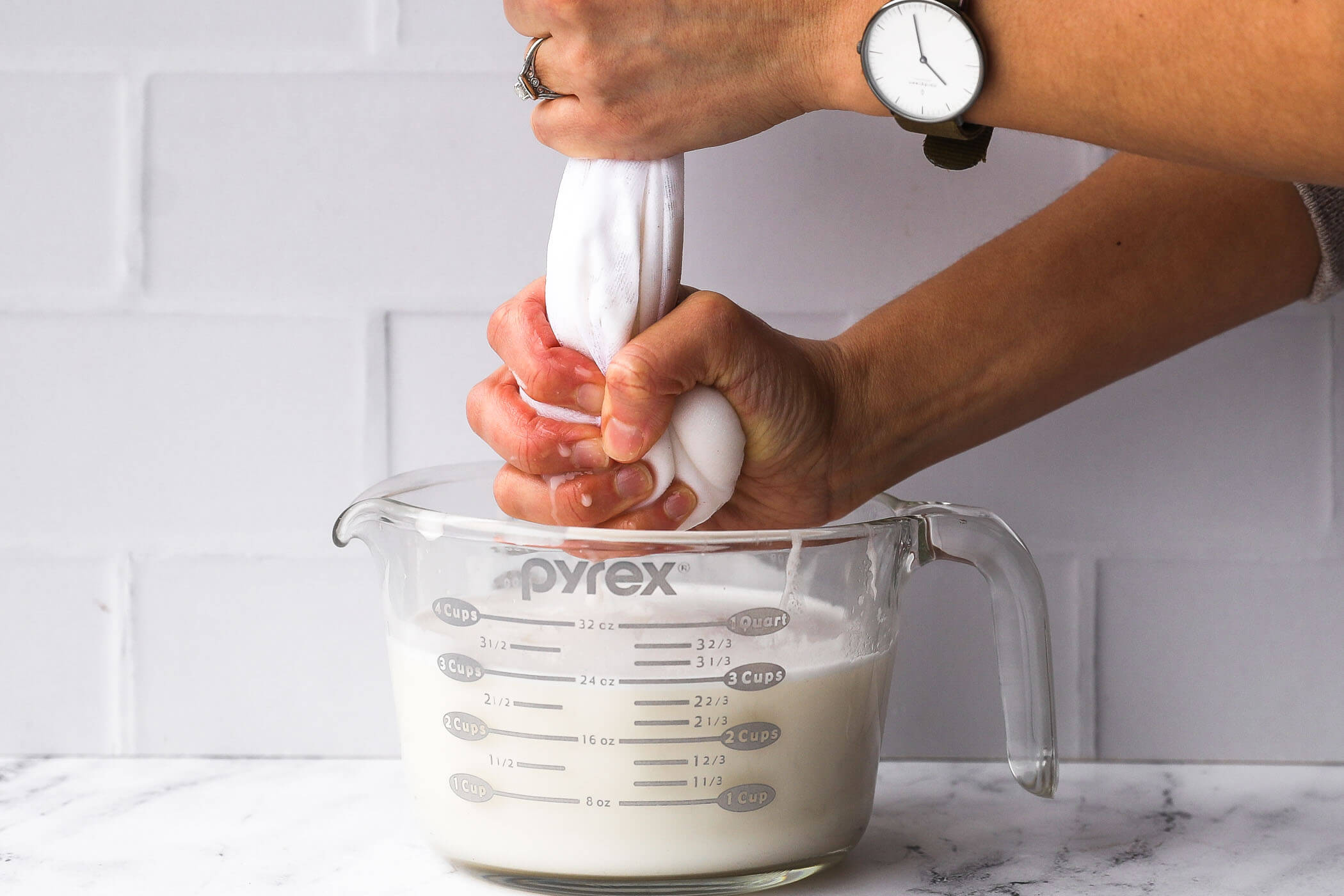
- Extract Every Drop: Using the back of a spoon or your clean hands, press down firmly on the coconut pulp in the sieve, extracting as much liquid as possible. If using a nut milk bag or cheesecloth, gather the edges and squeeze tightly. The more thoroughly you press, the richer your yield will be.
Pro Tip: Don't discard the leftover coconut pulp just yet! It has plenty of culinary potential, which we'll discuss later.
Method 2: From Fresh Grated Coconut (Authentic & Aromatic)
For the ultimate in freshness and a truly authentic flavor, using fresh grated coconut is unbeatable. This method is common in many traditional cuisines and delivers an incredibly aromatic and vibrant milk.- Source Your Coconut: You'll need a fresh whole coconut, or ideally, pre-grated fresh coconut from an Asian market. If using a whole coconut, crack it open, drain the water (you can use this later!), and carefully scrape out the white flesh. Grate the flesh using a box grater or a food processor fitted with a grating disc. Aim for about 2 ½ to 3 cups of fresh grated coconut.
- Heat the Water: Bring 3 cups of water to a boil, then let it cool slightly for a minute or two until it's very hot but not scalding.
- Combine and Blend: Place the fresh grated coconut and the hot water into a high-speed blender. Blend on high for 2-3 minutes. Fresh coconut typically requires a bit longer blending time to fully break down the fibers and release its oils.
- Strain Meticulously: As with the dried coconut method, pour the blended mixture through a fine-mesh sieve lined with cheesecloth or a nut milk bag set over a large bowl.
- Squeeze for Success: Press and squeeze the coconut pulp vigorously to extract all the precious milk. For an extra rich batch, you can even repeat the process by adding the strained pulp back to the blender with another cup of hot water, blending again, and straining for a "second press" or "light" coconut milk.
The resulting milk from fresh grated coconut will have an incredibly pure, sweet, and aromatic flavor that is unmatched.
Maximizing Your Homemade Coconut Milk: Tips, Tricks, and Uses
Now that you've mastered the art of making diy homemade coconut milk, let's explore how to store it, utilize its byproducts, and incorporate it into a myriad of delicious dishes.Storing Your Liquid Gold
Homemade coconut milk, being free of preservatives, has a shorter shelf life than its store-bought counterparts.- Refrigeration: Store your fresh coconut milk in an airtight container in the refrigerator for up to 3-4 days. It's normal for the fat to separate and solidify at the top; simply whisk or shake it gently to recombine before use.
- Freezing: For longer storage, homemade coconut milk freezes beautifully. Pour it into ice cube trays for convenient portioning, or into freezer-safe containers. It can be stored in the freezer for up to 2-3 months. Thaw overnight in the refrigerator or gently reheat on the stovetop.
Don't Waste a Drop: Repurposing Coconut Pulp
The leftover coconut pulp is a valuable byproduct brimming with fiber and flavor. Don't toss it!- Coconut Flour: Spread the pulp thinly on a baking sheet and bake at a low temperature (around 200°F or 95°C) until completely dry and crumbly. Once dry, you can process it in a food processor or blender to create your own homemade coconut flour.
- Desiccated Coconut: Simply dry the pulp as described above for a natural, unsweetened desiccated coconut perfect for baking or garnishing.
- Smoothie Booster: Add a spoonful or two of fresh or dried pulp to your smoothies for extra fiber and a subtle coconut flavor.
- Energy Bites: Combine dried pulp with dates, nuts, and a sweetener for quick, healthy energy bites.
