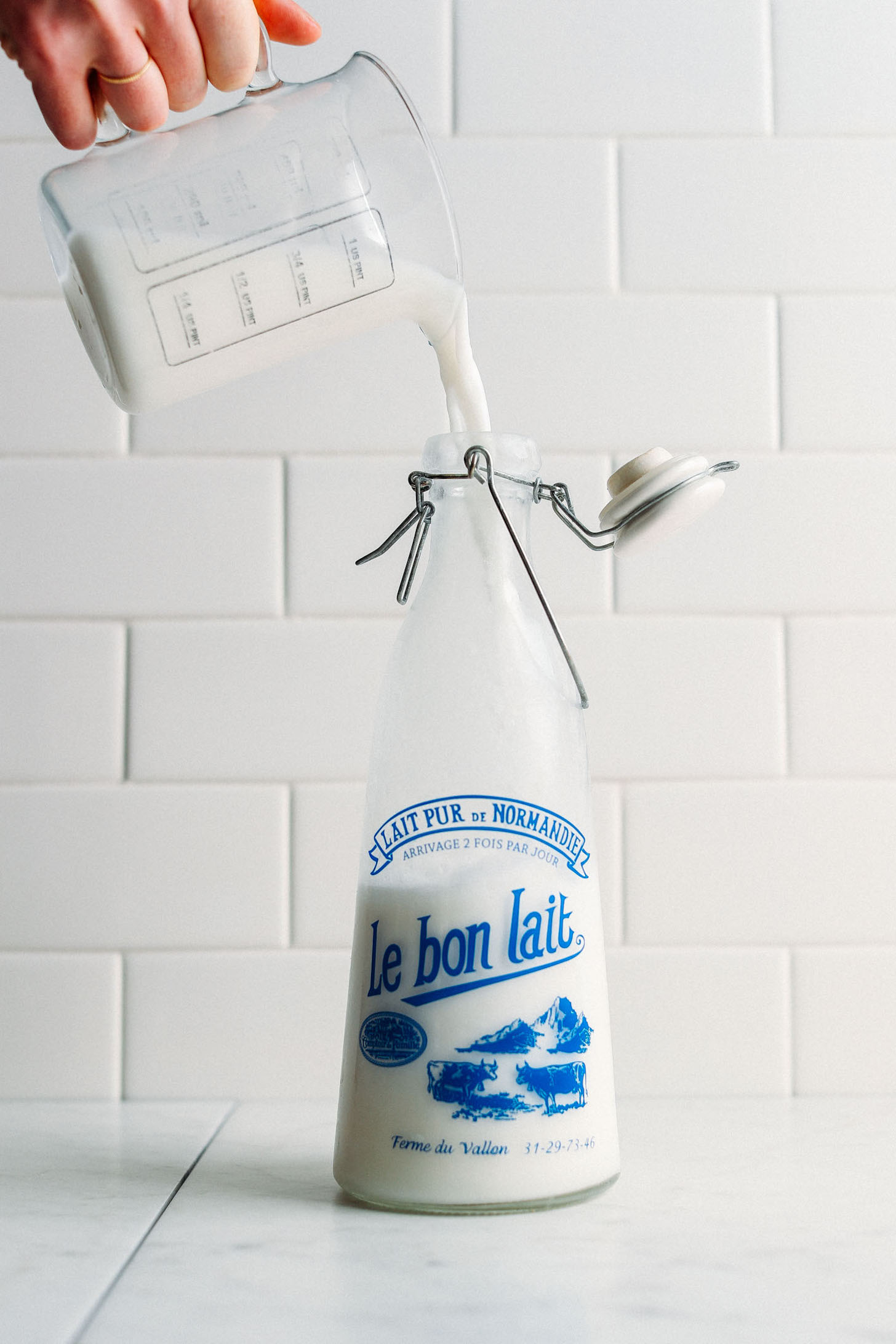
The Undeniable Advantage of DIY Homemade Coconut Milk
In a world brimming with convenience, the thought of making something from scratch can often feel like an unnecessary chore. We all have our culinary battlegrounds – those ingredients we’re happy to outsource, like the perfect croissant from a local bakery, and those we insist on crafting ourselves. But for something as fundamental and flavor-defining as coconut milk, making it yourself transcends mere preference; it becomes a game-changer. Especially when aiming for consistently rich, impeccably creamy results in your favorite dishes, diving into the world of
diy homemade coconut milk is not just worth it – it’s transformative.
For avid home cooks, or even those who simply enjoy eating well without excessive fuss, the quality of ingredients can make or break a meal. And when it comes to the star ingredient in many Southeast Asian curries, creamy soups, and vibrant desserts, the quality of your coconut milk is paramount. This isn't about shunning all store-bought convenience, but rather recognizing where a little extra effort yields exponential rewards. Once you experience the unparalleled freshness and pure taste of homemade coconut milk, the canned varieties simply won't compare.
The Frustration with Store-Bought: Why Consistency is King
If you've ever found yourself scratching your head after a recipe went awry, with a soup that's too thin or a curry that's strangely curdled, the culprit might not be your cooking skills, but the very coconut milk you poured in. This is a common vexation for home cooks and professional recipe developers alike. The core issue lies in a lack of standardization: unlike dairy milk, where fat percentages are clearly labeled, canned coconut milk can be a wild card. The fat content can range anywhere from a meager 5% to a luxuriant 20%.
This colossal variability isn't just an inconvenience; it can lead to genuinely inconsistent and disappointing culinary outcomes. Imagine trying to perfect a Thai-style coconut and chicken soup, only to find one batch watery and another thick to the point of being cloying, all because of the brand or even batch of canned coconut milk used. This inconsistency forces you to constantly adjust, taste, and re-balance your dishes, taking away from the joy of cooking. For many, this unpredictability was the driving force behind discovering the superior consistency and quality offered by making their own
diy homemade coconut milk. It provides a foundational ingredient that you can trust every single time, allowing other flavors to truly shine.
Mastering the Art: Your Step-by-Step Guide to DIY Homemade Coconut Milk
The idea of making coconut milk from scratch might conjure images of cracking open fresh coconuts with a machete, but fear not! The process is surprisingly simple, efficient, and requires minimal specialized equipment. The most common and accessible method utilizes dried, unsweetened shredded coconut, which is readily available in most grocery stores.
Method 1: Using Dried Shredded Coconut
This is the go-to method for most home cooks due to its convenience and excellent results.
1.
Soak for Softness: Begin by combining 2 ½ cups of dried, unsweetened shredded coconut with 3 cups of hot (but not boiling) water. The warmth helps to rehydrate the coconut and makes for more efficient fat and flavor extraction. Let it soak for about 5-10 minutes until the coconut shreds are noticeably softened.
2.
Blend for Extraction: Transfer the softened coconut and water mixture to a high-speed blender. Blend on high for 1-2 minutes. You want to see the mixture turn opaque and somewhat frothy, indicating that the fats and flavors are being released from the coconut fibers.
3.
Strain for Purity: Place a fine-mesh sieve over a large bowl. For an even smoother, pulp-free milk, line the sieve with a few layers of cheesecloth or, better yet, use a dedicated nut milk bag. Pour the blended coconut mixture into the sieve/bag.
4.
Extract Every Drop: Once the initial liquid has drained, gather the edges of the cheesecloth or squeeze the nut milk bag firmly over the bowl. Press down on the pulp with the back of a spoon (if using just a sieve) to extract as much milk as possible. This pulp is still valuable – don't discard it immediately!
Method 2: Using Fresh Grated Coconut (for the ultimate fresh taste)
If you have access to fresh coconuts or pre-grated fresh coconut (often found in Asian markets), this method takes freshness to another level.
1.
Combine and Blend: For every 1 cup of fresh grated coconut, add 1.5 cups of hot water. Blend on high for 1-2 minutes, just as with the dried coconut method.
2.
Strain: Strain through a nut milk bag or cheesecloth-lined sieve, pressing out all the liquid.
The resulting liquid is your pure, vibrant, and incredibly flavorful homemade coconut milk. It's often so rich that you might even consider fortifying it with a bit of water if your recipe calls for a lighter consistency, giving you complete control.
Tips for Success with Your DIY Homemade Coconut Milk:
*
Water Temperature: Using warm or hot water (not boiling) significantly aids in extracting more fat and flavor.
*
Don't Rush the Strain: Be patient during the straining process. The more thoroughly you press the pulp, the more milk you'll yield.
*
Storage: Store your homemade coconut milk in an airtight container in the refrigerator for up to 3-4 days. It will likely separate, with a thick cream layer on top – this is normal! Just whisk or stir it back together before use.
*
Utilize the Pulp: The leftover coconut pulp isn't waste! You can dehydrate it in a low oven or food dehydrator to make homemade coconut flour, or add it to smoothies, oatmeal, or even energy balls for added fiber.
*
Adjusting Thickness: If you find your milk too thick, you can add a touch more warm water and blend briefly. For a thicker cream, reduce the initial amount of water.
For those interested in exploring different techniques and optimizing their yield, you might find additional insights in our
diy homemade coconut milk - Article 1.
Beyond the Soup Pot: Versatile Uses for Your Fresh Creation
While the journey to
diy homemade coconut milk might begin with a quest for the perfect soup or curry, its versatility extends far beyond. Once you taste its fresh, subtly sweet, and rich profile—without any of the metallic aftertastes or preservatives often found in cans—you’ll want to incorporate it into everything.
*
Smoothies and Shakes: Replace dairy milk or water in your morning smoothie for an unbelievably creamy texture and tropical flavor boost.
*
Desserts: Elevate puddings, custards, ice creams, and even baked goods. The clean taste allows the other flavors to truly shine.
*
Coffee Creamer: A splash of homemade coconut milk in your coffee or tea provides a dairy-free, naturally sweet, and rich creamer that’s far superior to many store-bought alternatives.
*
Braising Liquids: Use it as a base for braising meats or vegetables, imparting a luxurious tenderness and depth of flavor. Think Colombian-inspired braised dishes or even a unique twist on pot roast.
*
Overnight Oats or Chia Pudding: Soak your grains or seeds in homemade coconut milk for a delightful breakfast that's both nutritious and delicious.
The possibilities are endless, and each new application will reinforce the decision to make your own. For more recipe inspiration and creative ways to use your fresh batch, be sure to check out
diy homemade coconut milk - Article 2.
Is It Worth It? The Homemade Coconut Milk Verdict
Ultimately, the question of whether to DIY or buy often boils down to a personal calculus of time, effort, and desired outcome. In the case of
diy homemade coconut milk, the answer is a resounding yes, it is absolutely worth it. While the convenience of a canned product has its place in a busy kitchen, especially for spur-of-the-moment meals, the superior taste, consistent quality, and absence of additives in homemade coconut milk truly set it apart.
The process is straightforward, the ingredients are simple, and the benefits are immense. You gain complete control over the richness and purity of one of your foundational ingredients, leading to more flavorful and reliably delicious meals. The warm nuttiness, delicate sweetness, and incredibly fresh taste will transform your cooking and elevate your everyday eating experience. Take the plunge, make a batch, and discover the difference for yourself. Your taste buds, and your recipes, will thank you.